11.32 Case study 5: covariate defects
Subject 2 has WT 500, AGE 132 and SEX 3 while the settings declare SEX levels 0/1 and use broad WT/AGE ranges. COV03 and COV05 warn. Subject 1 changes WT from 70 to 71 while WT is declared baseline, causing COV04.
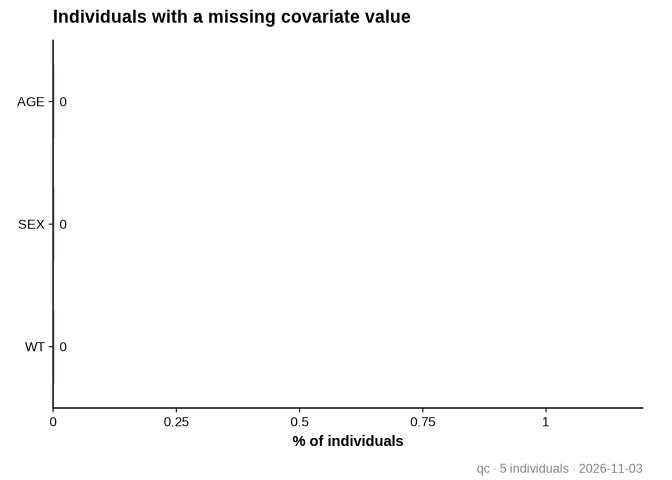
Figure 11.16. Missingness is only one covariate dimension. A complete-looking column can still contain unit, range, level or within-subject consistency defects.
Several possible causes
WT 500 could be pounds entered into a kilogram column, a decimal error (50.0), a real extreme value under different units, or wrong-subject data. AGE 132 could be months entered as years. SEX 3 could mean unknown, not reported or a data-entry code absent from the dictionary. WT 70→71 could be an accidental carry, or evidence that the intended field is time-varying body weight.
Each possibility needs different correction. Dividing every high weight by 2.2 or age by 12 without source evidence can create plausible but false data.
Expected rerun evidence
Correct unit transformations should be applied through documented derivation code and verified on all subjects, not only the flagged record. COV03, COV04 and COV05 should change predictably. Recheck COV06/COV08–COV11 because new units and levels alter distributions, correlations, derived values and change ratios. Compare continuous/categorical summary tables before and after; an unexpected reference level or median can affect later covariate modeling.
Review sequence
- Confirm variable definitions and units in the transfer specification.
- Check original CRF/lab/derived source.
- Determine whether baseline or time-varying meaning was intended.
- Correct derivation/coding centrally.
- Recompute BMI/BSA and rerun range/correlation checks.
Common mistakes
- Automatically unit-converting values above a threshold.
- Mapping unknown SEX to a reference category.
- Taking the first WT merely to silence baseline constancy.
- Reviewing covariate correlation before correcting units.
Checklist
- Verify dictionary, units and population ranges.
- Preserve unknown/missing semantics.
- Declare baseline versus time-varying intent.
- Recalculate derived variables after correction.
Further reading
See covariate ranges/missingness, levels/derived checks and diagnostic plots.